







Search Results for: Orchid Jasmine
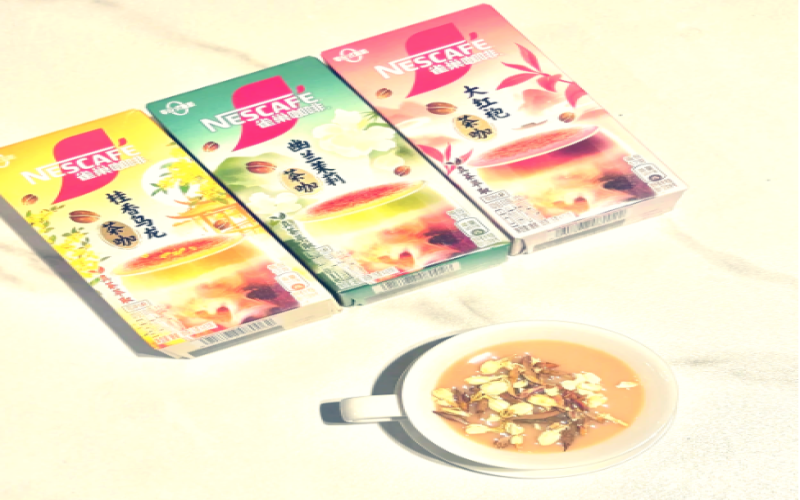
Nestlé Enters the Tea-Coffee Arena with an Onmyoji Collaboration: Can Three New Products Crack the Youth Market?
Currently, China's beverage industry is witnessing an intriguing cross-boundary phenomenon: tea drink companies want to enter the coffee sector, while coffee companies try to grab a share of the milk tea market. At the intersection of tea and coffee, a new category is being born—tea-coffee. As a global coffee industry giant, Nestlé, facing pressures such as the continuous contraction of the instant coffee market and brand aging, launched a special tea-coffee series in July this year, featuring three flavors: orchid jasmine, osmanthus oolong, and da hong pao. Three months after its launch, Nestlé teamed up with the Onmyoji mobile game for cross-boundary marketing, attempting to extend from young people's first cup of coffee to their first piece of merchandise. How has the market responded to this drink that combines caffeine and tea polyphenols? And why has the co-branded merchandise received such high praise? This article provides a detailed analysis. [more…]
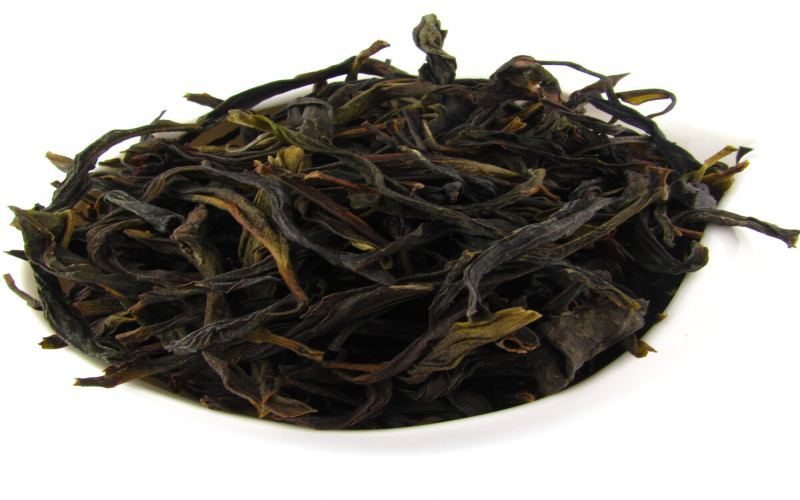
What grade does Duck Shit Aroma Dancong hold within Phoenix Dancong? Besides Night-blooming Jasmine, what other aroma types are there?
Phoenix Dancong is produced in the Phoenix Mountains of Chaozhou, Guangdong, and is one of the most aromatically expressive categories of Chinese oolong tea. Its fragrance comes entirely from the tea plant variety itself rather than from artificial additives, which is why it is called "dancong" (single bush). Traditionally, local tea makers have classified dancong into ten major aroma types, including honey orchid, gardenia, osmanthus, jasmine, and night-blooming cereus, with each type further divided into more specific subtypes. Among them, Duck Shit Aroma has risen prominently since the 1970s and has become a new market favorite. This article discusses the aroma classification system, historical origins, and quality characteristics of Phoenix Dancong, and also introduces related products from the Front Street Coffee brand to help readers understand the true position of Duck Shit Aroma within dancong. [more…]
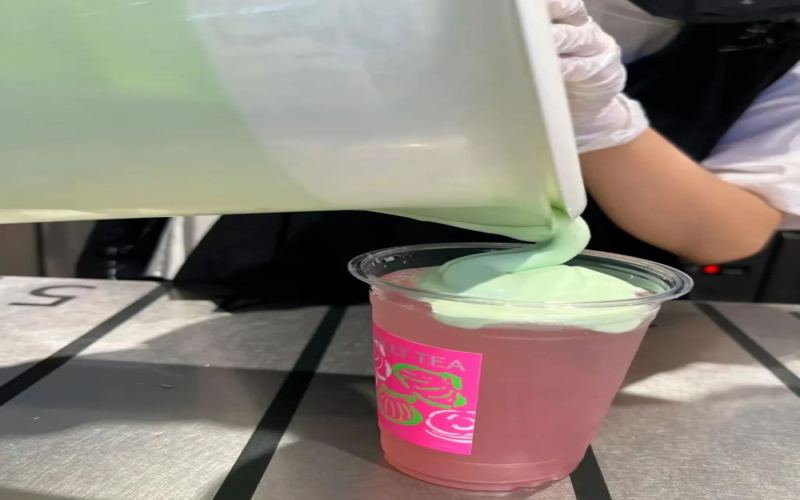
Jasmine Milk White Grapefruit Apple Coconut with Milk Foam Turns Color and Flocculates Afterward: Protein and Vitamin C Reaction Sparks Consumer Doubts
Molly Tea recently launched a pomelo-coconut series, including three new drinks: Pomelo Apple Coconut, Pomelo Jasmine Coconut, and Pomelo White Orchid Coconut. With a combination of refreshing pomelo-mint milk foam and fruit coconut water, they quickly attracted a large number of consumers. However, the most popular Pomelo Apple Coconut showed an abnormal phenomenon after adding the milk foam: the pink color faded, white flocculent substances appeared, and the liquid became cloudy like soy milk, raising customers' doubts about beverage safety and store ingredients. Store employees explained that this was caused by a chemical reaction between the protein in the milk foam and the vitamin C in the apple juice and pomelo juice, and was not due to spoiled ingredients. This article will reconstruct the course of the incident, consumer feedback, and the official response, and include the professional perspective of Front Street Coffee to help you understand the scientific principles behind this color-changing drink. [more…]
A Complete Analysis of Honduran Coffee Regions: Flavor Profiles of Six Major Areas and Brewing Tips for Litchi Orchid
Honduran coffee has performed impressively on the international stage in recent years. Unlike traditional producing countries such as Brazil and Colombia, it is a rising star in Central America. This article systematically reviews six major Honduran coffee regions—Copán, Opalaca, Montecillos, Comayagua, El Paraíso, and Agalta—introducing each one's geographical conditions, altitude ranges, common varieties, and cup flavors. It also features Front Street Coffee's recommended Lychee Orchid from the Marcala region, describing its layered notes of lychee, brandy, cream, and chocolate, and explaining how medium roasting balances acidity, sweetness, and bitterness. [more…]

Jasmine Naibai completes nearly 100 million yuan financing led by Alibaba Local Life, focusing on Eastern floral tea drinks to accelerate expansion
Recently, the new Chinese-style tea beverage brand Jasmine Naibai announced that it has secured nearly 100 million yuan in financing, led by Alibaba Local Life, with Xiangyang Capital serving as the exclusive financial advisor. This round of funding will be directed toward product research and development, brand building, supply chain upgrades, and team expansion, while further empowering franchise partners and continuously refining the lightweight model. Since its establishment in 2020, Jasmine Naibai has started with Jasmine Dragon Buds and focused on the floral fresh milk tea segment, launching series such as Gardenia, White Orchid, and Osmanthus. It now has 785 stores nationwide, with revenue growth of nearly 400%, and is expected to surpass 1,000 stores by the end of the year. The brand is also expanding overseas, opening its first stores in New York and Bangkok, promoting Eastern tea beverage culture to the world. [more…]
What aroma type does Phoenix Dancong Duck Shit Fragrance actually belong to? Does it really have a duck shit smell?
Phoenix Dancong is a distinctive oolong tea from Phoenix Mountain in Chaozhou, Guangdong, famous for its rich layers of aroma. Tea lovers often wonder: what exactly is the aroma type of Duck Shit Dancong? Does it really contain the smell of duck feces? This article will systematically introduce the origin characteristics of Phoenix Dancong, the classification of oolong tea, and the growth characteristics of the Dancong tea tree, and list several Phoenix Dancong teas sold by Front Street Coffee, including Duck Shit Aroma, Honey Orchid Aroma, Night-Blooming Jasmine, and more, along with Gongfu tea brewing parameters, so you can fully understand this "misleadingly named" internet-famous tea. [more…]
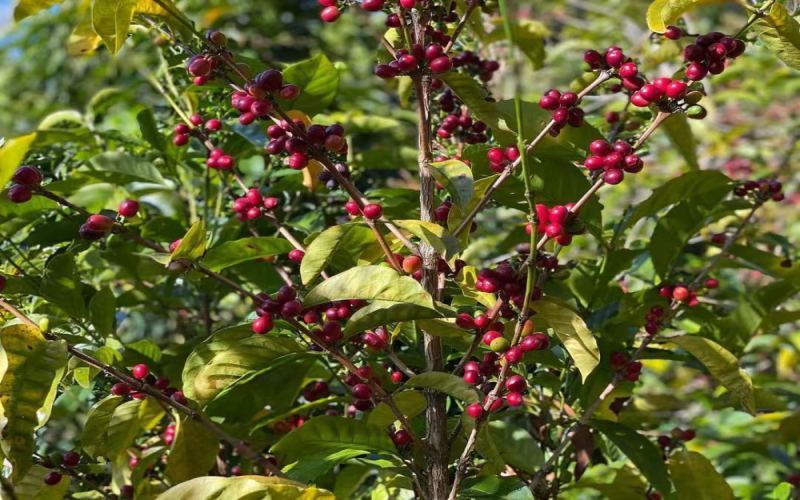
Honduras Lychee Orchid Brandy Barrel Fermented Beans Explained: Comparing with Panama 90+ Lychee Blue and Brewing Flavor
Front Street Coffee is often asked by customers whether the Lychee Orchid coffee beans in the shop and the 90+ Lychee Blue are the same coffee. In fact, the two are completely different in origin, variety, and processing method. Honduras Lychee Orchid is fermented in brandy barrels, presenting a rich vinous aroma and lychee sweetness; Panama 90+ Lychee Blue is a washed Geisha, with a flavor profile dominated by floral and citrus notes. This article will comprehensively analyze the flavor differences between these two coffee beans whose names differ by only one word, from origin background, variety characteristics, processing method differences, roasting curve comparison to brewing parameters, and share Front Street Coffee's practical experience and brewing suggestions. [more…]

What's the Difference Between Drip Bag Coffee and Instant Coffee? Can It Be Brewed Repeatedly? A Complete Guide from Selection to Brewing
As specialty coffee becomes part of everyday life, drip bag coffee, with its blend of convenience and flavor, has become the starting point for many people to explore specialty coffee. But what exactly is the difference between drip bag coffee and instant coffee? Can one drip bag be brewed repeatedly? And how should you choose and brew it to get a good cup of coffee? Drawing on the practical experience of Front Street Coffee, this article sorts out the origins of drip bag coffee, the number of brews, key points for selection, and specific brewing steps, helping coffee lovers easily enjoy a cup of full-aroma black coffee even in a busy life. [more…]

Drip Coffee Bags | How acidic is dark roast Brazilian drip black coffee? How to brew Mandheling, Yirgacheffe, and Brazilian drip coffee?
With the rise of the specialty coffee trend, coffee culture has been continuously spreading, and sales of both coffee equipment and coffee beans are constantly increasing. As a store focused on specialty coffee, Front Street not only brews a delicious cup of coffee for every guest, but also aims to spread coffee culture. If everyone [more…]
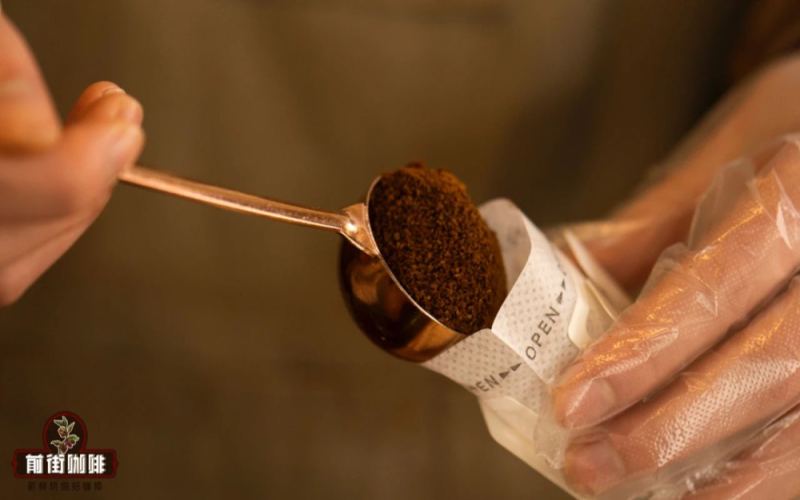
Drip bags vs instant coffee | Which is better: pour-over drip coffee bags or instant coffee? Is there a big difference in flavor and mouthfeel between drip coffee bags and hand-brewed coffee?
With the rise of the specialty coffee trend, coffee culture has been continuously spreading, and sales of both coffee equipment and coffee beans have been steadily increasing. As a shop focused on specialty coffee, Front Street not only brews a delicious cup of coffee for every guest, but also wants to spread coffee culture. If everyone [more…]
The Essential Differences Between Drip Bag Coffee and Instant Coffee, and a Complete Guide to Selection and Brewing
As specialty coffee culture becomes increasingly popular, drip bag coffee has become the top choice for many people's daily coffee drinking thanks to its combination of convenience and quality. But what exactly is the difference between drip bag coffee and instant coffee? Can one drip bag be brewed repeatedly? How do you choose a fresh and great-tasting drip bag? From the professional perspective of Front Street Coffee, this article systematically outlines the origins of drip bag coffee, its essential differences from instant coffee, key points for selection, and the standard brewing process, helping coffee lovers easily enjoy a cup of pure, flavorful black coffee even in a fast-paced life. [more…]
Which country did drip bag coffee originate from? A detailed explanation of the historical background, core characteristics, and water volume for brewing with 10 grams of powder
Drip bag coffee has won the favor of many coffee lovers in a fast-paced life thanks to its convenience and efficiency. But there are also many questions surrounding it: Which country actually invented drip bag coffee? How much water should be used for a 10-gram packet of grounds? Can it be brewed repeatedly? This article will start with the historical origins of drip bag coffee, sort out its essential differences from instant coffee, explain why multiple brews are not recommended, and share practical methods for choosing fresh drip bag coffee. At the same time, Front Street Coffee combines the flavor performance of different producing regions, processing methods, and roast levels to provide a complete drip bag brewing process, including warming the cup, water temperature control, hanging the bag, pre-wetting, and pouring, to help you consistently brew a cup of full-aroma black coffee. [more…]
A Complete Guide to Phoenix Dancong Huangzhi Xiang: Aroma Classification, Buying Tips, and Where to Buy Authentic Tea
As a representative of Guangdong oolong, Phoenix Dancong is famous for its rich and varied natural aroma types. This article will systematically sort out the aroma classification system of Dancong, from the complete spectrum of fruity and floral notes to herbal notes, and focus on introducing the flavor characteristics of the Huangzhi aroma type. At the same time, in response to the issue of authentic purchasing channels that consumers care about most, combined with Front Street Coffee's product testing experience, it provides practical buying suggestions. Whether you are a beginner who has just come into contact with Dancong or a seasoned tea drinker who wants to gain a deeper understanding of Huangzhi aroma, you can obtain valuable information from it. [more…]
What kind of tea is Chaoshan Phoenix Dancong? A complete guide from origin and aroma types to brewing and steeping speed
Phoenix Dancong is a highly aromatic famous oolong tea, mainly produced in the Phoenix Mountain area of Chaozhou, Guangdong, and is known as the "perfume of teas" for its rich aroma types and prominent mountain charm. Its formation stems from the tradition of single-plant selection and single-plant harvesting: outstanding tea trees are harvested and processed individually, and over time many aroma types have formed. This article begins with the producing environment, origin of the name, and quality characteristics of Phoenix Dancong, then moves on to the key points of daily brewing: leaf amount, rinsing, and pouring must all be quick, and the water temperature must remain at a boil, so that the tea soup is neither bitter nor astringent and has a high, uplifting aroma. The article also retains relevant recommendations from the Front Street brand, making it convenient for coffee and tea beverage enthusiasts to explore further. [more…]
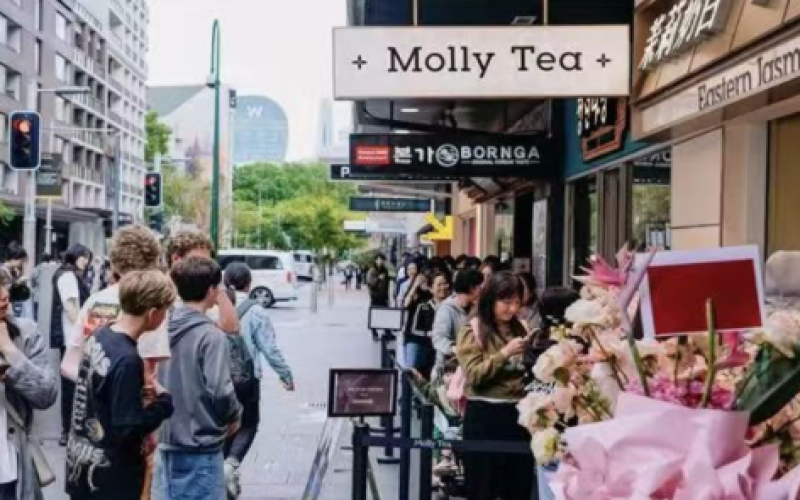
Jasmine Naibai Opens First Store in Sydney Chinatown, Selling Over Ten Thousand Cups in Three Days, Setting a New Overseas Record
The overseas expansion of mainland China's new-style tea beverage brands continues to accelerate, with the Australian market emerging as a sought-after destination for many tea companies racing to establish a presence. Molly Tea, a brand specializing in oriental floral tea drinks, officially opened its first Australian store in Sydney's Chinatown on October 18—its third overseas outlet following New York and Bangkok. During the two-day soft opening, pink sachets were given away; over the first three days of official operation, a buy-one-get-one-free promotion was offered. City-exclusive hanging sachets, Sydney Opera House hanging sachets, and pink DuPont bags were distributed simultaneously. The brand claims that within three days, the store's GMV approached AUD 28,000, total cups sold exceeded 10,000, and single-day sales hit a new overseas high. This article will examine the layout logic and market response behind this new store from aspects such as site selection, design, product strategy, and opening performance. [more…]
What flavor does jasmine-scented Phoenix Dancong have? A complete guide to Phoenix Dancong aroma types, tasting, and storage
Phoenix Dancong has always been famed for its rich aromas, among which the jasmine-scented type is especially unforgettable after just one sip. Starting from the actual flavor of light-aroma Phoenix Dancong, this article guides you through why it can present a pure fragrance almost like a natural bouquet, and what main types Phoenix Dancong can be divided into according to aroma profile. The article also explains in detail the flavor differences between spring tea and snowflake tea, suggested brewing parameters, its effects on health, and key points for everyday storage. Whether you are a beginner just getting to know Dancong or a tea lover wanting to learn more about floral-style oolong, you will find practical reference information here. Front Street Coffee will also draw on years of tea-selection experience to sort out these key points for you. [more…]
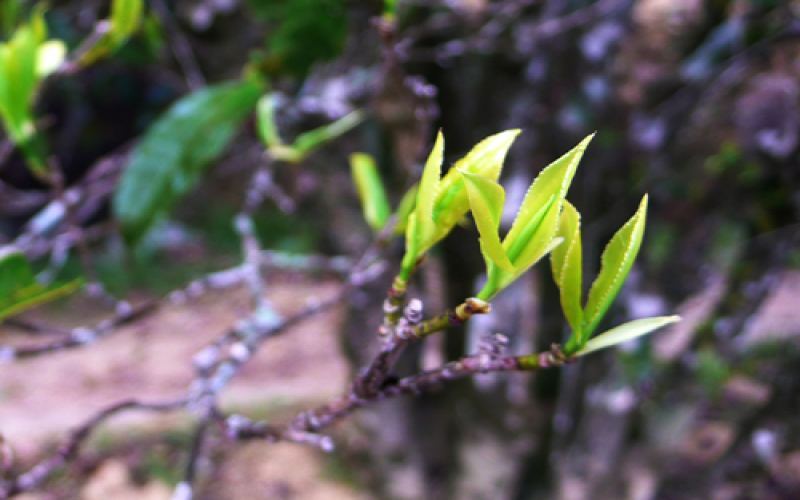
Analysis of the Aroma Characteristics of Wudong Mountain Yelai Xiang Dancong Oolong Tea: Cultivar Classification and Flavor Profile
Ye Lai Xiang Dancong is one of the most recognizably aromatic types of Phoenix Dancong, named because the finished tea's aroma resembles night-blooming jasmine flowers. This article explores the variety's classification, growing environment, production background, and flavor profile, introducing you to this oolong tea produced on Wudong Mountain in Chaozhou, handcrafted by Master Lin from single-tree ancient material. The article not only outlines the aromatic characteristics of Ye Lai Xiang Dancong but also covers Wudong Mountain's altitude and ecological conditions, as well as Master Lin's journey from self-taught tea maker to award winner. For coffee enthusiasts and tea lovers who want to deepen their understanding of the Phoenix Dancong aroma system and the allure of single-tree ancient bushes, this is a piece that offers both informative depth and tasting reference value. Front Street Coffee also continues to follow such beverages that express regional terroir. [more…]
A Comprehensive Guide to the New SCAA Coffee Flavor Wheel: From Sour, Bitter, Sweet, and Salty to 85 Flavor Layers
The update to the coffee flavor wheel has made the tasting system more complete, but many people still feel confused when faced with descriptions like citrus, berries, and nuts. In daily brewing, Front Street Coffee recommends beans from different regions based on guests' taste preferences, while accurately identifying flavors requires systematic training. This article starts with the four major taste spectrums—sour, sweet, bitter, and salty—and, combined with the complete classification of the new flavor wheel, interprets one by one the specific expressions of floral, fruity, herbal, nutty and cacao, sweet, spice, sour and fermented, alcoholic fermentation, roasted, and other categories, helping coffee enthusiasts build a clear framework for flavor perception. [more…]
Coffee Aroma Description Guide: An Analysis of 36 Common Aroma Names and Professional Tasting Terminology
When drinking coffee, have you ever encountered a familiar yet indescribable aroma? In fact, perceiving coffee flavors requires systematic cognitive training. In daily cupping and roasting adjustments, Front Street Coffee places particular emphasis on the ability to identify coffee flavors. This article starts with coffee's four major tastes—sour, sweet, bitter, and salty—and, combined with the classification logic of the flavor wheel, breaks down in detail 36 common aroma names across floral, fruity, green/vegetal/herbal, nutty/cocoa, sweet, spicy, sour/fermented, alcoholic fermentation, roasted, and other categories, along with specific representative coffee beans and Front Street's tasting suggestions, to help you more accurately describe and enjoy a cup of coffee's layers and lingering finish. [more…]
SCAA Pour-Over Specialty Coffee Flavor Wheel High-Resolution Download and Systematic Knowledge of Flavor Terminology
The coffee flavor wheel is a recognized tasting tool in the specialty coffee community, but when faced with descriptors like citrus, berries, nuts, and chocolate, many people don't know how to match them. Starting from the high-resolution image of the latest SCAA flavor wheel, this article systematically sorts out the compositional logic of coffee flavor: the relationship between the four basic tastes of sour, sweet, bitter, and salty and the roast level, the proportion data of each taste substance, the subdivision of the acidity spectrum, bitterness spectrum, sweetness spectrum, and saltiness spectrum, as well as an item-by-item analysis of the nine major flavor groups including floral and fruity, green and herbal, nutty and cocoa, sweet, spicy, sour and fermented, alcoholic fermented, roasted, and other. The article also intersperses Front Street Coffee's daily training methods and representative bean recommendations, helping readers build a complete tasting framework from smelling to drinking. [more…]